Why One-Click Tech Transfer Matters Now
Tech transfer is still measured in months because knowledge remains fragmented, manual, and difficult to reuse.
Despite increasing digitalization, critical transfer knowledge remains scattered across documents, systems, and expert teams. One Click Tech Transfer transforms this fragmented knowledge into a structured, reviewable, and compliant foundation for faster decision-making and transfer execution.
Manual effort
Time-to-transfer




First-time-right quality
Knowledge reuse
Merck already has strong foundations, the challenge is connecting them into reusable tech-transfer decisions.
Merck has invested significantly in process knowledge, semantic foundations, and manufacturing expertise. Yet critical transfer knowledge remains spread across documents, systems, and expert teams, creating manual effort and limiting reuse across transfers.
CURRENT STATEFragmented knowledge
Process knowledge exists across documents, systems, and people but lacks a unified structure for reuse.
Semantic-to-Document Gap
Valuable semantic models exist but are not yet directly connected to the document-centric transfer workflow.
Manual Process Comparison
Experts still compare process parameters and receiving-site capabilities manually.
PCS creation
Process Control Strategies, work instructions, and manufacturing scenarios require significant manual drafting effort.
Manual Downstream Preparation
eBR, MES, DeltaV, and PAS-X inputs must still be prepared manually.
TARGET STATEConnected Knowledge
A governed Knowledge Twin unifies process, quality, and regulatory knowledge into one structured, reusable source across every transfer.
Automated Assessment
The platform automatically compares process needs against receiving-site equipment and constraints, surfacing gaps and risks early.
AI-Assisted, Human-in-the-Loop Generation
AI drafts PCS, work instructions, and manufacturing scenarios from governed knowledge; SMEs review, correct, and approve every output.
Structured Outputs
eBR, MES, DeltaV, and PAS-X inputs are generated from approved knowledge and decisions, ready for system use.
Digitally Upskill Employees
Freed from manual compilation, transfer teams build digital skills and set the benchmark for future ways of working.

From fragmented inputs to an SME-endorsed Process Control Strategy through a governed six-step knowledge flow.
Capgemini transforms documents, process data, equipment specifications and expert knowledge into a governed AI-supported transfer workflow.
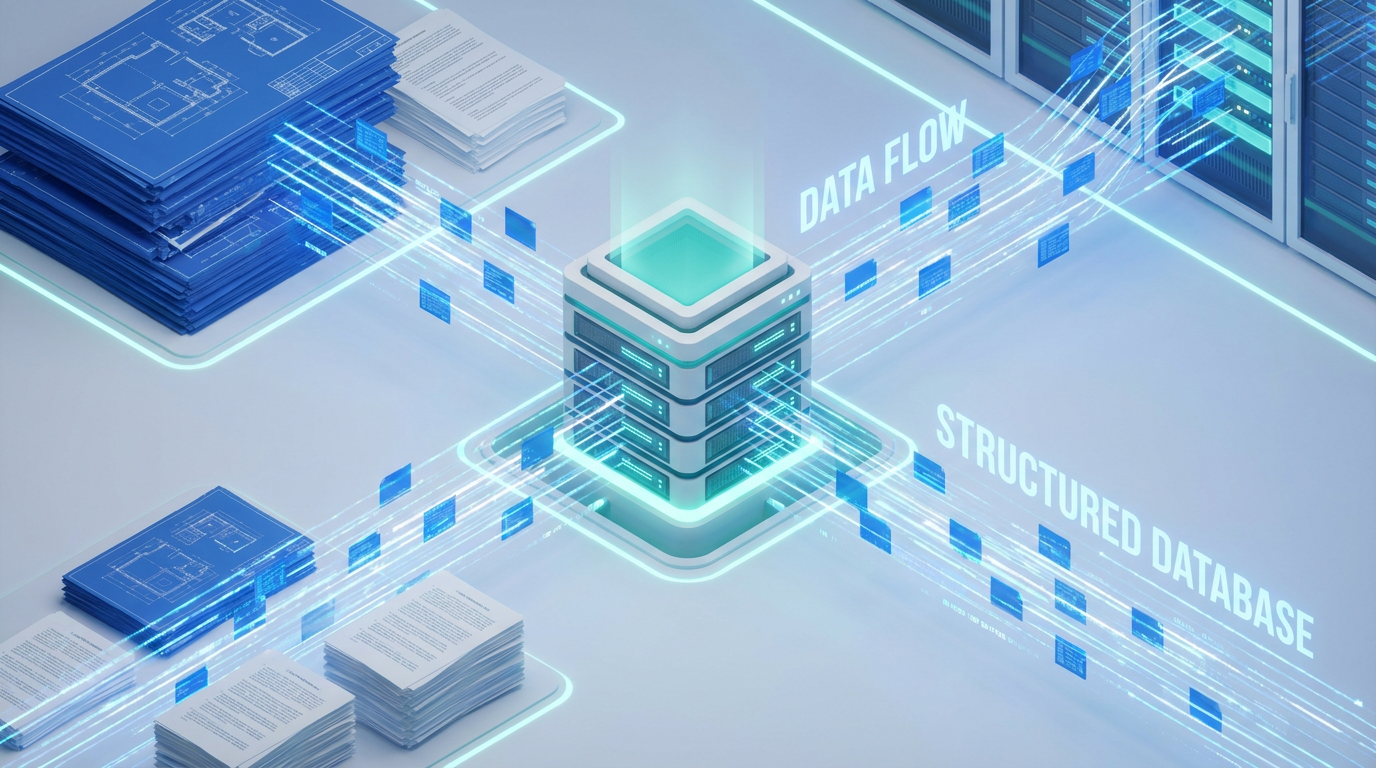
1. Ingest sending-unit transfer knowledge
Capture PDFs, Word, Excel/CSV, diagrams and equipment specifications.
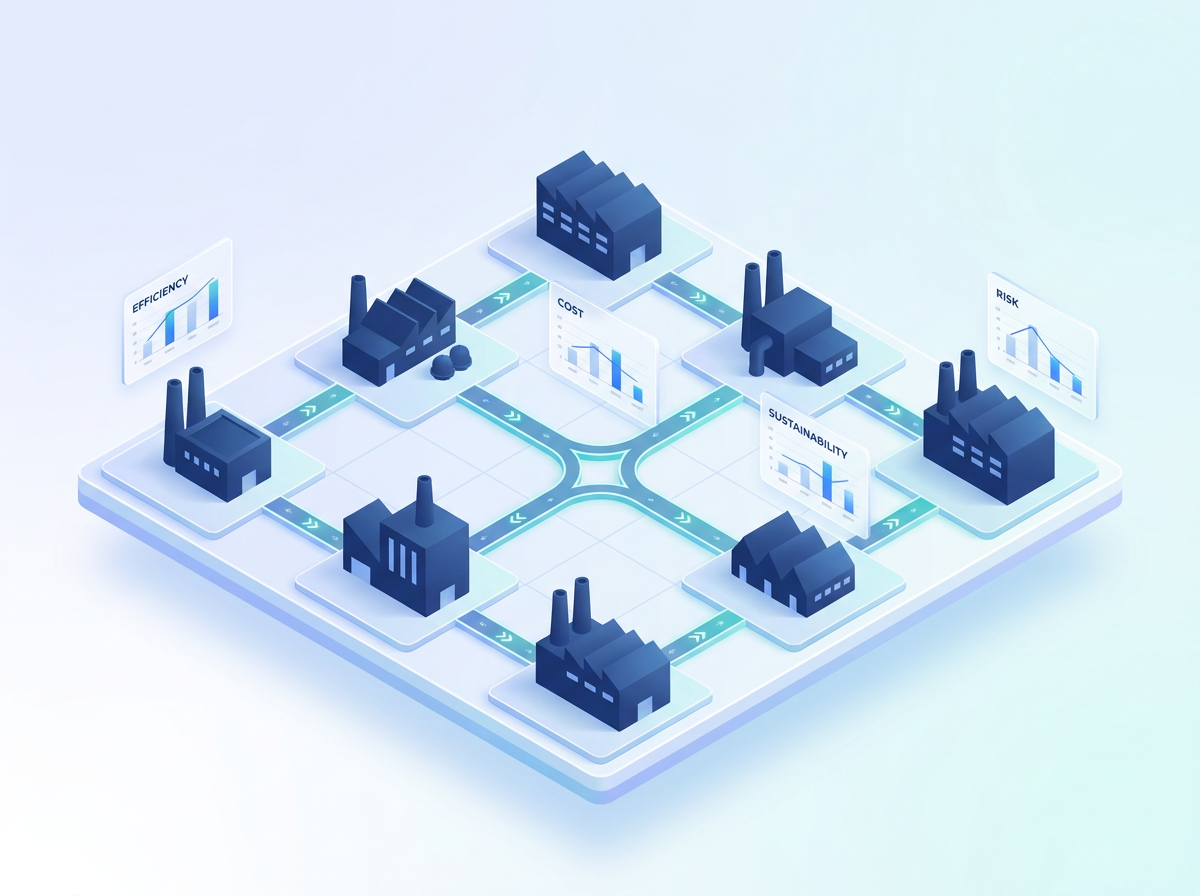
4. Build and select production scenarios
Define target production target based on different scenario model based on previous knowledge.

2. Build the digital process map
Structure sending units: roles, constraints, ranges and equivalence.
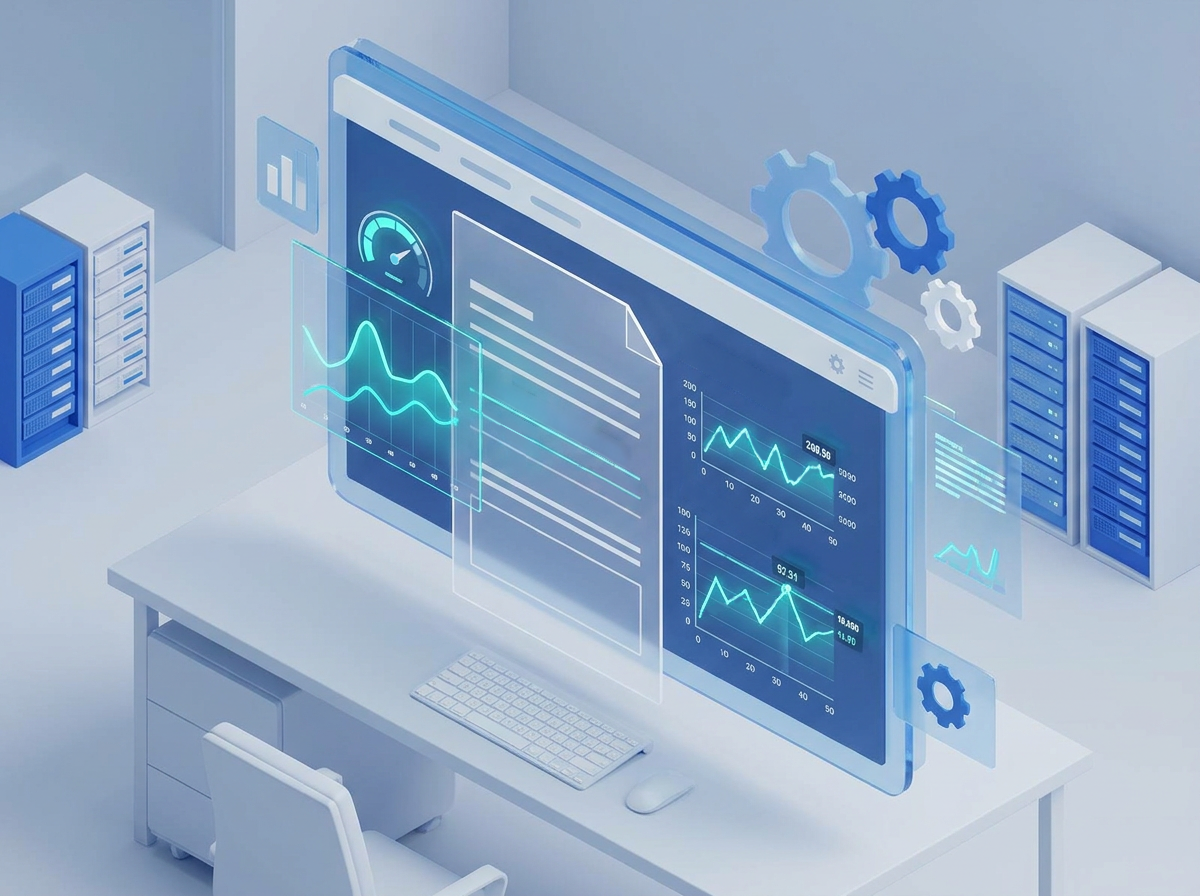
5. Generate receiving-unit strategies
Propose scenarios using equipment fit, constraints, compliance and robustness.

3. Translate into scale-independent logic
Convert process knowledge into descriptors such as P/V, kla and mixing time.
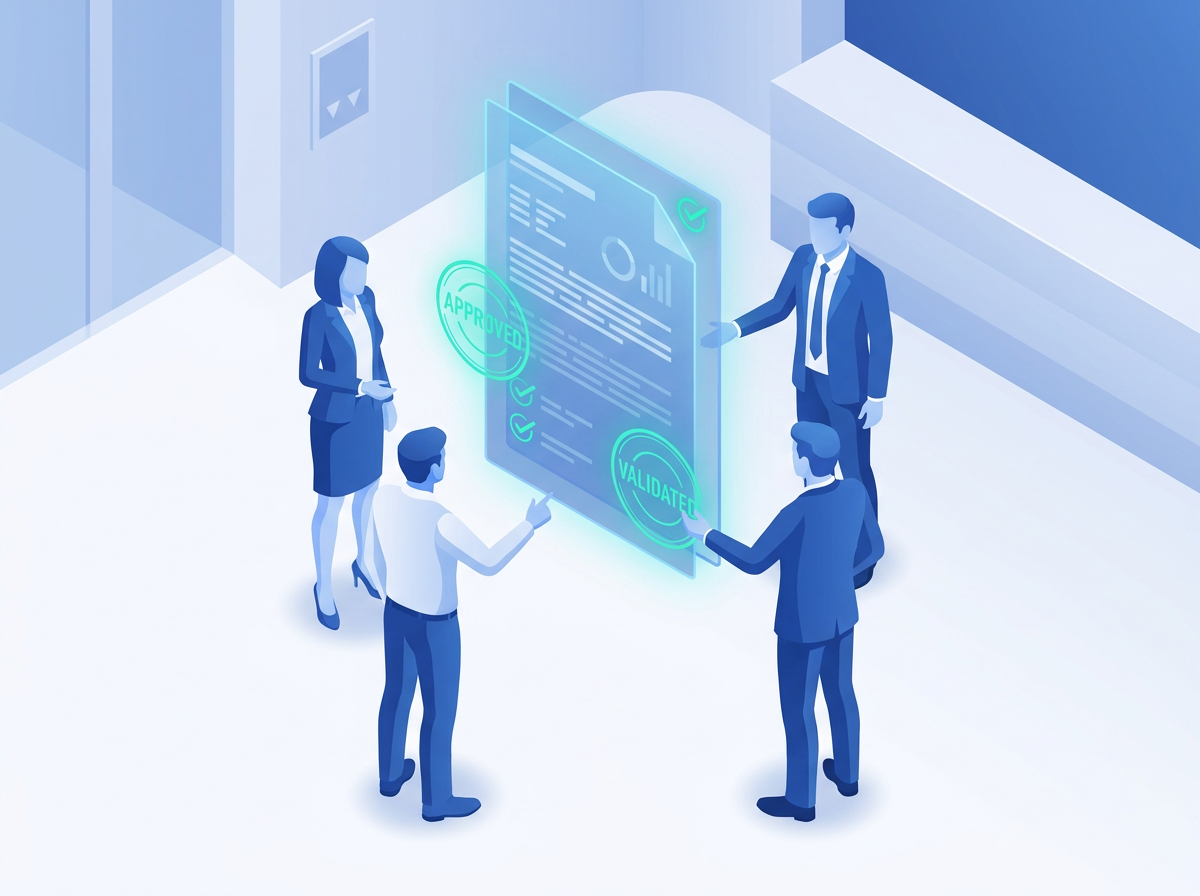
6. Draft the process control strategy
Create reviewable PCS parameters, controls, ranges and justifications.
7. Keep a compliant human review loop
Make outputs explainable, traceable, confidence-scored and SME-endorsed.

A Knowledge Twin explains not only what is happening, but why transfer decisions should be made.
Data
What it provides
Raw measurements, documents,
records, and process outputs.
Typical questions answered
What data exists? What happened?
What was recorded?
Output
Structured Information
Digital Twin
What it provides
A representation of process state, equipment status, and operational behavior
Typical questions answered
What is happening? Where is it happening? How is the process performing?
Output
Process visibility & state awareness
Knowledge Twin
What it provides
Context, decision logic, scientific rationale, governance rules, and institutional memory.
Typical questions answered
Why is this decision recommended? What should happen next? How can the same decision be applied consistently elsewhere?
Output
Explainable and reusable decisions
The solution extends Merck's existing technology direction by combining semantic foundations, agent orchestration, user-centric workflows, and embedded governance into a single operating model for technology transfer.
See it in motion
A closer look at how One-Click Tech Transfer comes together.
-
Purpose: Provide structured and contextualized process knowledge.
Output: Structured knowledge model.
Key Enablers: Altair Graph Studio, semantic models. -
Purpose: Coordinate reasoning and workflow execution.
Output: Transfer recommendations and generated artifacts.
Key Enablers: AWS AgentCore. -
Purpose: Enable review, collaboration, and approval.
Output: Reviewable work products.
Key Enablers: Mendix. -
Purpose: Ensure explainability, traceability, and human oversight.
Output: GxP-defensible decisions.
Key Enablers: Human-in-the-loop review, auditability, change control. -
Purpose: Add the Knowledge Twin and tech-transfer ontology extension above Merck's platforms.
Output: Reusable process intelligence.
Key Enablers: Knowledge Twin methodology, tech-transfer ontology extension, manufacturing ontologies (ISA-88/95, Allotrope), TT accelerators. -
Purpose: Apply pre-built, proven Capgemini IP to accelerate the hardest technical steps rather than building them from scratch.
Output: Scale-independent process parameters and a structured, semantically-grounded knowledge base.
Key Enablers: NewTon (symbolic regression accelerator, powers scale-independent parameter conversion), NeuroForge (semantic ingestion accelerator, powers document-to-knowledge mapping).
Built on Merck's target architecture, not alongside it.
The solution extends Merck's existing technology direction, but the transformation is broader than technology alone. It's built across people, process, and technology together:
Technology: Semantic foundations, agent orchestration, user-centric workflows, and embedded governance combine into a single operating model.
Process: Tech Transfer moves from a series of disconnected, manually-reconciled steps to one governed workflow.
People: It's a genuine digital upskilling opportunity that gives transfer teams access to future-ready ways of working, with time freed from manual compilation to focus on review, judgment, and higher-value decisions.
Jacques Duret
One Click Tech Transfer Lead
Technology succeeds when the right experts work together.
Meet the experts behind the solution.
Dr. Alexander Relling
Business Analyst
Marcel Müller
Senior SME Supply Chain
Olivier Michel
Tech Transfer Process Lead
Dr. Sven Asche
Senior SME R&D
Dr. Christian Lenz
Senior SME Quality
Dr. Nicolas Cointe
Functional Solution Lead
Phuong Ho
Senior SME Manufacturing
Nadezhda "Nadya" Sviridenko
SME Change & Enablement